
Building a New Home in Altadena: What Does the Process Look Like From Design to Completion?
What would it feel like to walk into a home that was designed around the way you actually live? Imagine choosing the layout, deciding where the windows should go, picking the finishes, and watching the house slowly take shape from an empty lot.
For many homeowners, building a new home sounds exciting, but the process can also feel confusing. Where do you start? When should you hire a contractor? How long does construction take? And what happens between the first design idea and the day you finally get the keys?
If you are considering new construction Altadena, understanding the basic steps can make the experience much easier. Building a home in Altadena, CA involves planning, design, permits, construction, inspections, and many small decisions along the way. With the right team and a clear plan, the process can be much more organized and manageable.
1. Start With Your Home-Building Goals
Before talking about floor plans or paint colors, think about what you want from your new home.
Do you need three bedrooms or four? Would you like an open kitchen and living area? Do you need a home office, guest room, garage, or outdoor living space?
Make a simple list of your needs and wants. Your needs are the things you cannot compromise on, while your wants are features you would add if the budget allows.
It is also helpful to think about how your family may use the home five or ten years from now. A house should not only work for today. Good planning can help it continue to work as your needs change.
2. Choose the Right Property
The land you build on can affect almost every part of the project.
Before purchasing a property in Altadena, look at factors such as the size and shape of the lot, access to utilities, local building rules, site conditions, and the type of home that can realistically be built there.
A property may look perfect at first glance but have challenges that are not obvious. Slope, drainage, access, existing structures, and utility connections can all affect construction.
This is one reason it is smart to get professional advice early rather than waiting until after you have committed to a property.
3. Set a Realistic Budget
Building a new home involves much more than the cost of putting up walls.
Your budget may include design work, engineering, permits, site preparation, construction, materials, appliances, fixtures, landscaping, and other project expenses.
It is also wise to keep some money aside for unexpected costs. Construction projects can uncover surprises once work begins.
A clear budget gives your design and construction team something practical to work with. It also helps you decide where to spend more and where to save.
For example, you may want to invest more in kitchen cabinets or energy-efficient windows while choosing simpler finishes in other areas.
4. Find an Experienced New Construction Contractor
Once you have a clear idea of what you want, it is time to build your project team.
A reliable new construction contractor can help turn architectural plans into an actual home. The contractor may coordinate trades, schedule construction, manage materials, communicate with inspectors, and keep the project moving.
Do not choose a contractor based only on the lowest price. Ask about experience, previous projects, communication, timelines, and how changes are handled.
You want someone who will answer your questions clearly and tell you when something needs attention. Building a home is a long process, so communication matters.
5. Work With a Custom Home Builder and Design Team
If your goal is a home that feels personal rather than copied from a standard plan, working with a custom home builder can be a valuable option.
A custom approach gives you more control over the home’s layout, style, materials, and features.
During the design stage, you may work with architects, designers, engineers, and your builder. They will help turn your ideas into drawings that can actually be constructed.
This is where you should think carefully about room sizes, storage, natural light, doors, windows, electrical outlets, plumbing fixtures, and other details.
It may seem like a lot of decisions, but making them before construction begins can help reduce expensive changes later.
6. Develop the Architectural Plans
Once your ideas are clear, they can be turned into detailed plans.
The plans show important information about the structure, rooms, dimensions, materials, electrical systems, plumbing, and other parts of the home.
You will have opportunities to review the plans and request changes.
Take this stage seriously. Moving a wall on paper is much easier than moving a wall after construction has started.
Your design team should also consider the property itself. The home’s position on the lot, natural light, views, privacy, access, and outdoor areas can all influence the final design.
7. Handle Permits and Approvals
Before construction can move forward, the necessary permits and approvals must be addressed.
The exact requirements can vary depending on the project and property. Your construction team can help determine what documents, plans, inspections, and approvals are required.
This part of the process may feel slow because there can be paperwork and review periods involved. However, permits are an important part of building safely and following local requirements.
Trying to rush or skip this stage can create much bigger problems later.
8. Prepare the Construction Site
After plans and approvals are in place, physical work can begin.
The first construction activities may include preparing the site, clearing areas as needed, setting out the building location, handling excavation, and preparing the foundation.
Site preparation is not always exciting to watch, but it is extremely important. The foundation and early structural work create the base for everything that comes afterward.
Your contractor should also coordinate deliveries and different trades so the work happens in the correct order.
9. Build the Foundation and Structure
The foundation is one of the first major milestones.
After the foundation work, the structure of the home begins to become visible. Framing creates the walls, floors, roof structure, and basic shape of the house.
This is often the stage when homeowners finally start to see their plans become real.
The home can look very different from the drawings once the framing is standing. Rooms become easier to understand, and you can begin to picture where furniture and daily activities will fit.
Your construction team will also arrange inspections at the required stages.
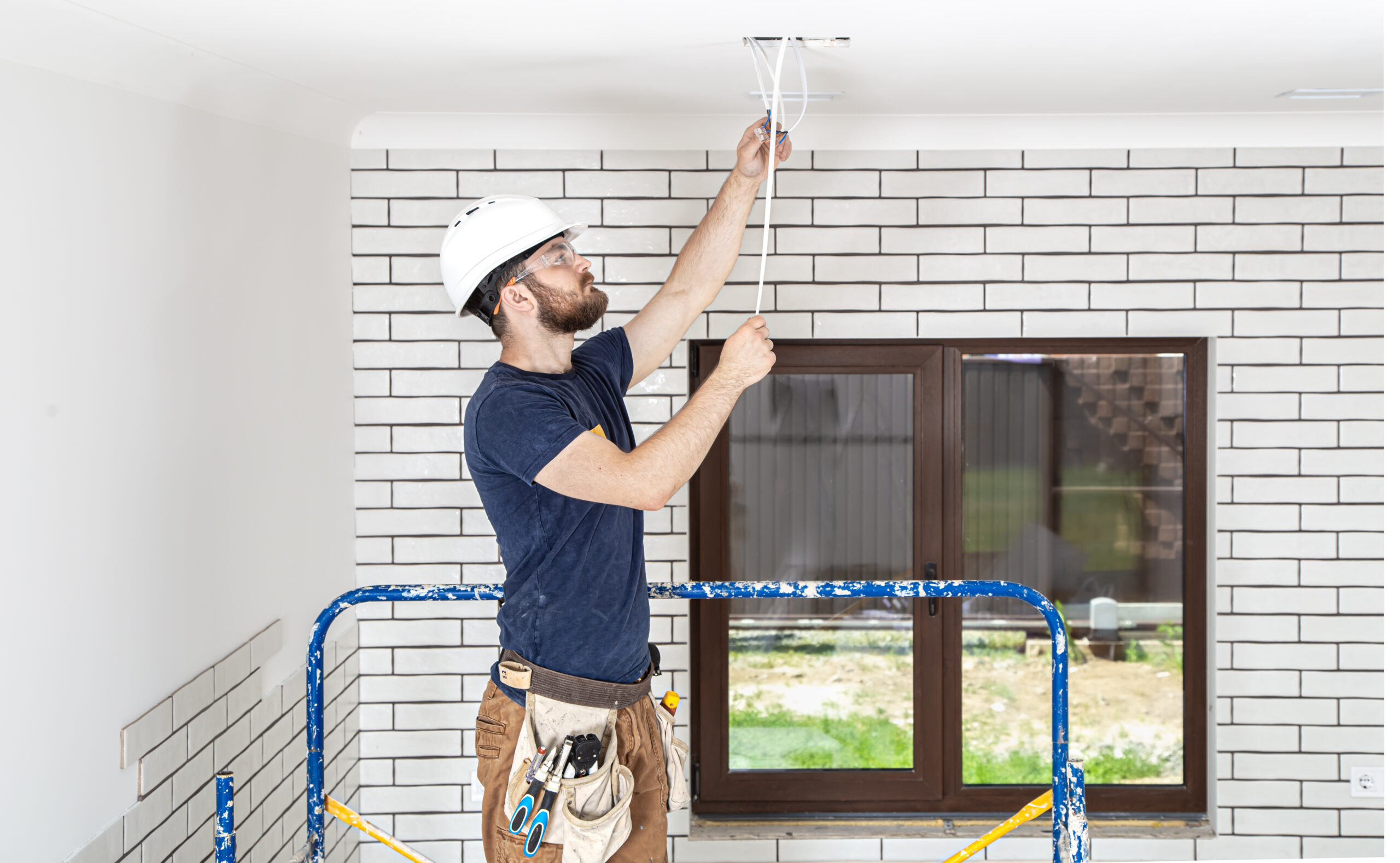
10. Install Plumbing, Electrical, and HVAC Systems
Once the main structure is in place, important systems are installed.
Plumbers work on water and drainage lines. Electricians install wiring and electrical components. HVAC professionals handle heating and cooling systems.
Much of this work eventually becomes hidden behind walls, ceilings, and finishes. That makes proper installation especially important.
Before walls are closed, inspections may take place to make sure the work meets the required standards.
This is also a good reminder of why choosing experienced professionals matters. A beautiful home still needs reliable systems working behind the scenes.
11. Add Insulation, Drywall, and Interior Finishes
After the major systems are in place, the house starts looking much more like a finished home.
Insulation is installed, followed by drywall and other interior work. Then come flooring, cabinets, countertops, doors, trim, paint, lighting fixtures, and other finishes.
This is usually one of the most exciting parts for homeowners because the style of the house finally becomes visible.
You may have selected everything months earlier, but seeing those choices installed is very different from looking at samples.
Try to keep track of your selections throughout the project. A simple record of product names, colors, finishes, and specifications can make things easier if you need to replace something later.
12. Complete the Exterior and Outdoor Areas
The work is not finished when the inside looks good.
Exterior siding or finishes, roofing details, windows, doors, driveways, walkways, fencing, drainage, and landscaping may all need to be completed.
Outdoor areas can be especially important in a new home because they can extend your living space.
Depending on your plans and budget, you may include a patio, garden, outdoor kitchen, or another area for relaxing and entertaining.
Your builder can help coordinate these final parts of the project so the property feels complete rather than looking like a finished house surrounded by unfinished work.
13. Complete Inspections and Final Walkthroughs
Near the end of construction, the home goes through final inspections and checks.
Your contractor will work to address outstanding items and make sure the required work has been completed.
You will also have an opportunity to walk through the home and create a list of items that need attention. These may be small things such as touch-up paint, adjusting a door, fixing a cabinet, or correcting a minor finish issue.
Do not feel uncomfortable asking questions during the walkthrough. This is your home, and it is important to understand how everything works.
Ask about things such as electrical panels, heating and cooling controls, water shutoffs, appliances, maintenance requirements, and warranties.
14. Receive the Keys and Settle Into Your New Home
After the required approvals and final work are complete, you can finally move toward closing and receiving your keys.
At this point, the long process of planning and construction becomes something you can actually enjoy.
There may still be a few small items to address after move-in, but the major construction journey is complete.
For homeowners considering new construction Altadena, this final moment can make all the planning, meetings, design decisions, and waiting feel worthwhile.
How Long Does New Home Construction Take?
There is no single timeline that works for every project.
A smaller and simpler home may move faster than a large custom house. The design, permitting process, site conditions, material availability, weather, inspections, and complexity of the project can all affect the schedule.
That is why it is better to think of construction as a series of stages rather than expecting one exact completion date.
Your contractor should provide a project schedule and keep you updated when something changes.
How Dreams Renovation Can Help
Building a home is a major investment, and having an experienced team beside you can make the process easier to understand.
Dreams Renovation works with homeowners who want to create thoughtfully planned spaces while keeping the construction process organized. For homeowners exploring new construction in Altadena, having a team that understands the importance of planning, quality workmanship, communication, and attention to detail can make a real difference.
Whether you are still developing your ideas or already have plans ready, the right construction partner can help you move from an empty lot or early concept toward a finished home.
Final Thoughts
Building a new home in Altadena does not happen overnight. It starts with an idea and moves through many stages: choosing a property, creating a design, setting a budget, getting approvals, preparing the site, building the structure, installing systems, adding finishes, completing inspections, and finally handing over the keys.
The process may seem complicated at first, but breaking it into smaller steps makes it easier to understand.
If you are planning new construction Altadena, start with a clear vision, create a realistic budget, and choose your construction team carefully. Work with professionals who communicate well and understand that every detail matters.
With proper planning and the right new construction contractor or custom home builder, your new Altadena home can move from a simple idea on paper to a place that feels truly yours.
Frequently Asked Questions
1. How long does it take to build a new home in Altadena?
The timeline depends on the size and design of the home, site conditions, permits, material availability, and construction complexity. A custom home can take several months or longer from initial design to completion. Your new construction contractor should provide a project schedule covering design, permitting, site preparation, construction, inspections, and final finishing work.
2. What is the first step when planning new construction in Altadena?
The first step is to define your goals, budget, and property requirements. You should understand what type of home you want, what the lot can support, and what local approvals may be required. Speaking with a qualified custom home builder early can help you understand the process and identify potential challenges before construction begins.
3. Do I need a new construction contractor for building a custom home?
Yes, working with an experienced new construction contractor can make a major difference. A contractor can coordinate different trades, manage the construction schedule, oversee materials, arrange inspections, and help address issues that arise during the project. Choosing the right contractor early can also help keep the project organized and reduce avoidable delays.
4. What should I consider when choosing a custom home builder in Altadena?
Look for a custom home builder with relevant experience, strong communication, quality workmanship, and a clear understanding of your project goals. Ask about previous projects, estimated timelines, contracts, warranties, and how changes are handled. It is also important to choose a builder who explains costs and construction decisions clearly rather than simply focusing on the lowest price.
5. What happens after the new home construction is finished?
Once construction is substantially complete, the home goes through required inspections and final checks. Your contractor will address remaining items, while you can complete a final walkthrough to identify touch-ups or minor corrections. After final approvals and outstanding work are completed, you can move forward with receiving the keys and settling into your new home in Altadena.
0 comments
Write a comment