
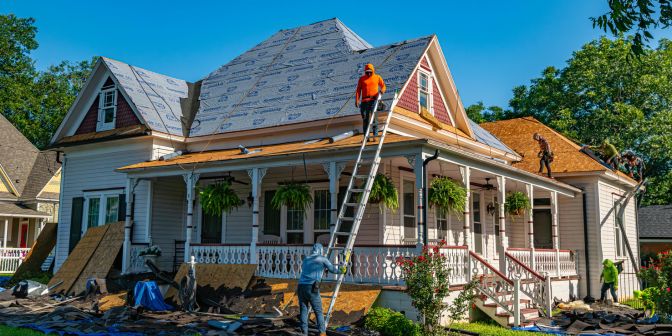
What Should You Do After a House Fire in Altadena? A Step-by-Step Restoration Guide
What do you do when you come home and find that a fire has damaged your house? Where do you start when your walls, roof, furniture, or personal belongings have been affected?
A house fire can leave you feeling lost. You may be thinking about your family, your home, your insurance, and what comes next—all at the same time. If your property in Altadena has been affected by a fire, the first thing to remember is that you do not have to handle everything in one day.
The right approach is to take things one step at a time. From making sure everyone is safe to documenting damage, dealing with insurance, cleaning the property, and planning repairs or rebuilding, each stage matters.
For homeowners looking for fire damage repair contractors, choosing an experienced team early can also make the process easier. At Dreams Renovation, we understand that restoring a damaged home is not only about construction. It is about helping homeowners move toward a safe and comfortable home again.
Step 1: Make Sure Everyone Is Safe
Your safety comes before your house.
After a fire, do not rush inside to check your belongings. A home can look stable from the outside but still have serious hidden problems. Floors, ceilings, walls, electrical wiring, gas lines, and other parts of the structure may have been damaged.
Wait until the proper authorities say it is safe to enter.
If you are allowed to enter, wear suitable protective equipment and be careful around damaged areas. Smoke, soot, broken glass, ash, and other materials can create additional risks.
If the property is not safe to live in, find temporary housing for your family. Your insurance policy may provide coverage for temporary living expenses, depending on your policy.
Step 2: Contact Your Insurance Company
Once your family is safe, contact your insurance company as soon as possible.
Tell them what happened and ask what steps you need to follow. Your insurer may send an adjuster to inspect the property and assess the loss.
Keep copies of emails, letters, estimates, receipts, photographs, and other documents related to the fire.
It is also helpful to create a list of damaged or destroyed belongings. Walk through each room when it is safe to do so and write down what you remember. Include furniture, appliances, electronics, clothing, tools, and other valuable items.
Do not throw away damaged items too quickly unless you are told to do so. Your insurance company may need to inspect them.
A professional restoration contractor can also help you understand what parts of the property may be repaired and what areas may need to be replaced.
Step 3: Document the Fire Damage
Photos and videos can be very useful after a house fire.
Take clear pictures of the outside and inside of the home. Photograph damaged walls, ceilings, flooring, cabinets, windows, doors, appliances, furniture, and personal items.
If there is smoke or soot damage, document that too.
Try to take photographs before major cleanup or repairs begin, but only if it is safe to enter the property.
Create a simple folder for all fire-related documents. You can keep your photos, insurance information, contractor estimates, receipts, inspection reports, and other records in the same place.
This small step can save you a lot of time later.
Step 4: Get a Professional Damage Inspection
Fire damage is not always limited to the areas where flames were visible.
Heat can damage structural materials. Smoke can spread throughout the house. Water used to put out the fire can create another set of problems, including moisture damage and mold if it is not handled correctly.
This is why a professional inspection is important.
Experienced fire damage repair contractors can look at the property and help identify areas that need cleaning, repair, replacement, or further inspection.
Depending on the severity of the fire, the restoration work may include:
- Smoke and soot cleanup
- Water and moisture removal
- Damaged drywall replacement
- Flooring repair or replacement
- Cabinet repair
- Electrical and plumbing inspections
- Roof repairs
- Window and door replacement
- Odor removal
- Structural repairs
- Interior remodeling
Not every damaged home needs to be completely rebuilt. Some homes may be restored by repairing the affected areas, while severe fire damage may require major reconstruction.
Step 5: Do Not Start Major Repairs Too Quickly
It is understandable to want your home fixed immediately. However, major work should be planned carefully.
Before removing walls, replacing flooring, or starting reconstruction, make sure you understand the insurance process and any required approvals.
Your contractor should coordinate with the appropriate professionals and help you understand what needs to happen before construction begins.
This is especially important in Altadena, where fire recovery and rebuilding can involve local requirements and specific recovery procedures.
For properties in unincorporated Los Angeles County affected by the Eaton Fire, the County has established a rebuilding process that includes site clearance, permits, construction, inspections, and a final Certificate of Occupancy.
Step 6: Understand Whether You Need Restoration or Rebuilding
One of the biggest questions after a fire is simple: Can the house be repaired, or does it need to be rebuilt?
The answer depends on the level of damage.
Restoration
Restoration may be possible when the home’s main structure remains safe and repairable. Work could include smoke cleanup, replacing damaged drywall, repairing floors, restoring cabinets, fixing electrical systems, and repainting.
Rebuilding
A severely damaged home may need more extensive reconstruction. In that case, you may need architects, engineers, permit professionals, and experienced fire rebuild contractors.
The rebuilding process can feel complicated, but homeowners do not have to figure out every detail alone.
LA County provides specific recovery resources for Altadena residents, including guidance on rebuilding, permits, health and safety, and other recovery needs.
Step 7: Learn About Altadena Rebuilding Permits
If your house was destroyed or needs major reconstruction, permits are an important part of the process.
For eligible properties in unincorporated Los Angeles County, a like-for-like rebuild generally means rebuilding a structure in roughly the same size, location, and use as the structure destroyed by the fire. LA County states that like-for-like projects may qualify for an expedited review process, although they still need to meet current building, fire, health, and safety requirements.
The County has also established a One-Stop Permit Center in Altadena to help residents with rebuilding questions, plans, permits, inspections, and other steps.
Keep in mind that requirements can differ depending on where your property is located and which local authority has jurisdiction. Your contractor and design professionals should help you confirm the rules that apply to your specific property.
Step 8: Choose the Right Restoration or Rebuild Team
Choosing a contractor is one of the most important decisions you will make.
Do not choose a company only because it gives you the lowest estimate. Ask questions about experience, project management, insurance coordination, permits, timelines, materials, and previous fire restoration work.
A good contractor should be willing to explain the work in simple language.
When speaking with fire damage repair contractors, consider asking:
- Have you handled fire-damaged homes before?
- Can you inspect both fire and smoke damage?
- What repairs do you believe are necessary?
- Will you help coordinate with other professionals?
- Who handles permits when required?
- Can you provide a detailed estimate?
- What is included in the project?
- How will unexpected damage be handled?
- What is the expected project timeline?
For a complete rebuild, ask fire rebuild contractors about their experience with reconstruction, design coordination, inspections, and local permitting requirements.
The goal is not simply to find someone who can repair walls. You want a team that understands the entire process.
Step 9: Think About Improvements While You Rebuild
A fire can be devastating, but rebuilding can also provide an opportunity to create a safer and more comfortable home.
Once you know what your insurance and budget allow, think about improvements that may make sense during reconstruction.
You could consider better insulation, updated electrical systems, stronger windows, improved ventilation, more practical storage, modern kitchens and bathrooms, or materials that are easier to maintain.
You can also discuss fire-conscious design choices with qualified professionals.
Do not make major changes without checking how they may affect your budget, insurance claim, permits, and project timeline.
Step 10: Be Patient With the Process
Fire recovery is rarely a quick process.
There may be inspections, insurance discussions, cleanup, permits, design decisions, contractor scheduling, construction, and final inspections. Some projects move quickly, while others take much longer depending on the level of damage.
LA County has created expedited review processes for certain fire rebuild projects, but the timeline can still vary depending on the project’s complexity and whether additional approvals are required.
Try not to compare your recovery timeline with your neighbor’s.
Every property is different.
Common Mistakes to Avoid After a House Fire
Homeowners can make the process harder without realizing it. Here are a few mistakes worth avoiding:
Going inside too soon: Never put your safety at risk to save belongings.
Starting repairs without a plan: Understand insurance, inspections, and permit requirements first.
Ignoring smoke damage: Smoke and soot can affect areas beyond the visibly burned space.
Choosing only by price: The cheapest estimate may not provide the best long-term solution.
Not documenting damage: Photos and records can be important during the insurance and repair process.
Making decisions under pressure: Take time to understand your options before committing to major construction work.
How Dreams Renovation Can Help
After a house fire, you need more than a contractor. You need a team that understands how stressful the process can be.
Dreams Renovation helps homeowners approach restoration and remodeling with a clear plan. From assessing the scope of work to improving damaged spaces, our goal is to make the renovation process easier to understand.
If your Altadena property has experienced fire damage, start by focusing on safety, documentation, insurance, and a professional assessment. Then, with the right team, you can begin deciding whether restoration or rebuilding makes the most sense.
A damaged house does not have to remain a damaged home.
With careful planning, professional help, and patience, you can take the next step toward creating a safe, functional, and comfortable place to live again.
Final Thoughts
A house fire can change your life in a matter of minutes. But the recovery process happens one step at a time.
Start with safety. Contact your insurance company. Document everything. Get the property inspected. Understand whether you need restoration or rebuilding. Then choose experienced fire damage repair contractors or fire rebuild contractors who can guide you through the work.
For homeowners in Altadena, recovery may feel overwhelming at first. You do not need to solve every problem today. Focus on the next step, ask questions, keep good records, and work with professionals who can help you move forward.
For renovation and rebuilding support, visit our website and explore your options for turning a damaged property into a home you can feel comfortable in again.
FAQs About Fire Damage Repair and Home Rebuilding
1. How soon should I contact fire damage repair contractors after a house fire?
As soon as the property is safe to access and you’ve contacted the appropriate emergency and insurance resources, it’s generally wise to arrange a professional assessment. Smoke, soot and water damage can continue affecting materials even after the fire is extinguished. Early action can help prevent additional damage and make it easier to determine what can be restored versus what needs replacement.
2. Do fire damage repair contractors also handle rebuilding?
Some contractors provide both restoration and reconstruction, while others specialize in one part of the process. Ask directly whether the company handles structural repairs, demolition, rebuilding and finishing work. If you need extensive reconstruction, make sure the contractor has experience managing projects of that scale rather than assuming ordinary remodeling experience is enough.
3. How long does it take to rebuild a fire-damaged home in Altadena?
There isn’t one fixed timeline. The extent of the fire, structural damage, permitting, inspections, insurance approvals, material availability and the size of the reconstruction can all affect the schedule. A smaller restoration may move relatively quickly, while a major rebuild can take considerably longer. A reputable contractor should give you a realistic range after inspecting the property.
4. Should I repair or rebuild my home after a major fire?
That depends on the condition of the structure, the extent of the damage, your insurance coverage, local requirements and the cost of restoration compared with reconstruction. A professional assessment can help determine whether portions of the home can be safely restored or whether extensive rebuilding makes more sense. Don’t make that decision based only on what the property looks like from the outside.